
Let’s face it. Life is stressful, there is no getting around that. Yet sometimes the lemons life throws at us overwhelm our ability to cope.
Stress and anxiety can show up as constant worry, racing thoughts, sleeping irregularities, irritability, panic attacks, or feeling “on edge”. Sometimes the cause of the worry is obvious. Other times it could feel as if your body just won’t stop yelling at you.
When we tend to our anxiety, we free our energy to nourish our dreams instead of our fears. That’s where counselling can help.
The shapes it takes
Anxiety is rarely just one thing, and it is very good at looking like something else: a personality trait, a physical illness, or simply being busy. See whether any of these sound like your week.
The mind that will not stop
It runs every scenario, several times, with particular attention to the worst one. It is at its loudest at two in the morning, when there is nothing you can actually do about any of it.
Panic
The chest, the breath, the certainty that something is very wrong. Often the first one lands somewhere ordinary, a supermarket or a motorway, and after that a good deal of your energy goes into making sure it never happens there again.
A body that won’t switch off
Jaw, shoulders, stomach, chest. Tired and wired at once. Anxiety is at least as physical as it is mental, which is why thinking your way out of it so rarely works.
Sleep
It will not start, or it will not continue, or it arrives and you wake at four with your heart going. Then everything is harder the next day, which gives the worry more to work with.
The list of things you avoid
Avoidance works beautifully in the short term, which is the trap. Every time you sidestep the thing, the fear gets slightly bigger and your world gets slightly smaller.
Is this normal? Should I get it checked?
The symptom, the search, the reassurance, the relief, and then the next symptom by Thursday. Health anxiety is exhausting, and the checking is the part that keeps it going.
Other people
Rehearsing the sentence before you say it, and reviewing it for two days afterwards. Turning down things you actually wanted to go to, and being relieved and disappointed in the same breath.
Work that never ends
Deadlines, a restructure, a manager you brace yourself for. The tiredness that a weekend no longer touches, and the Sunday evening feeling that now starts on Saturday.
Holding it all together
Kids, ageing parents, money, the mortgage, everyone else’s crises. You are the one who copes, everybody says so, and there is nowhere in the week that you get to not be that.
Irritability
Snapping at people who did not deserve it, then the guilt. Anxiety often comes out as a short fuse rather than as worry, and the people closest to you get the version nobody else sees.
Doing everything right and still braced
Nothing is wrong. You have checked. And you cannot relax, because relaxing has started to feel like dropping your guard.
Earthquake weather
For a lot of people in Christchurch it never fully switched off, and a truck going past still does something to your stomach. Old alarms do not always know the emergency has ended.
If yours isn’t on this page, it still counts. Bring it anyway.
Why your brain does this
The brain’s primary job is to keep us alive, so it often overreacts to everyday stress with a dramatic internal RED ALERT at the first hint of discomfort. It is not being dramatic for effect. It is an alarm system built for a much more dangerous world than the one you are standing in, and it would far rather be wrong a hundred times than miss a real threat once.
That is why the advice to calm down has never once worked. By the time you notice the thought, your body is already several steps ahead: heart rate up, muscles ready, digestion paused, attention narrowed onto threat. All of that is the system working exactly as designed, just aimed at an email rather than a predator.
It also explains why anxiety is so self-sustaining. Avoiding the thing brings instant relief, which teaches your brain that avoiding worked and the danger was real. Checking brings instant relief, so you check again. Every bit of short-term comfort quietly makes the next round more likely. The problem is not that you are doing it wrong, it is that the thing that helps in the moment is usually the thing that keeps it going.
None of which means you are stuck with it. Alarm systems can be retrained. That happens through the body as much as the head, which is why so much of this work is practical rather than a matter of thinking more clearly about it.
It might be time to talk to someone if
- You feel overwhelmed more days than not.
- Your avoidance of stressful situations or environments is becoming a problem in everyday life.
- You have difficulty relaxing, even when nothing is “wrong”.
- Your body feels tense, restless or exhausted.
- You have trouble sleeping, or sleep too much.
If your body is doing frightening things, it is worth seeing your GP as well, partly to rule things out and partly because that rules out one more thing to worry about.
What it’s like to work with me
We start with what is actually happening, in your week and in your body, rather than with a technique. Most people arriving here have already tried the apps, the breathing videos and several well-meant suggestions from people who do not have this. Knowing about box breathing has never been the missing piece.
Some of the work is physical, because this is a physical problem as much as a mental one. Things you can do with your body that genuinely change what your nervous system is doing, practised until they are available on a bad day rather than only on a good one.
Some of it is looking at the worry itself: what it is protecting you from, what it costs, and which parts of it are worth listening to, because anxiety is not always wrong. Sometimes it is pointing at something real that needs to change.
And some of it is the slow, careful business of getting your world back, one avoided thing at a time, at a pace you set. Not by being thrown in. By going close enough that your brain gets to learn something new and survive it.
I work in a non-judgemental, kind, curious way that honours your own wisdom about your situation, and we go at your pace.
When it starts to shift, you feel calmer in situations that used to set you off. You notice your patterns and choose a different response. You bounce back more quickly after a stressful event. You have learned how to physically calm your body down. And you can think a little more clearly.
Feeling nervous about a first session is completely normal, and the occasional awkward moment is too. Most people haven’t done this before. After that first hour you should leave feeling heard, understood and seen. That’s the part I care about most.
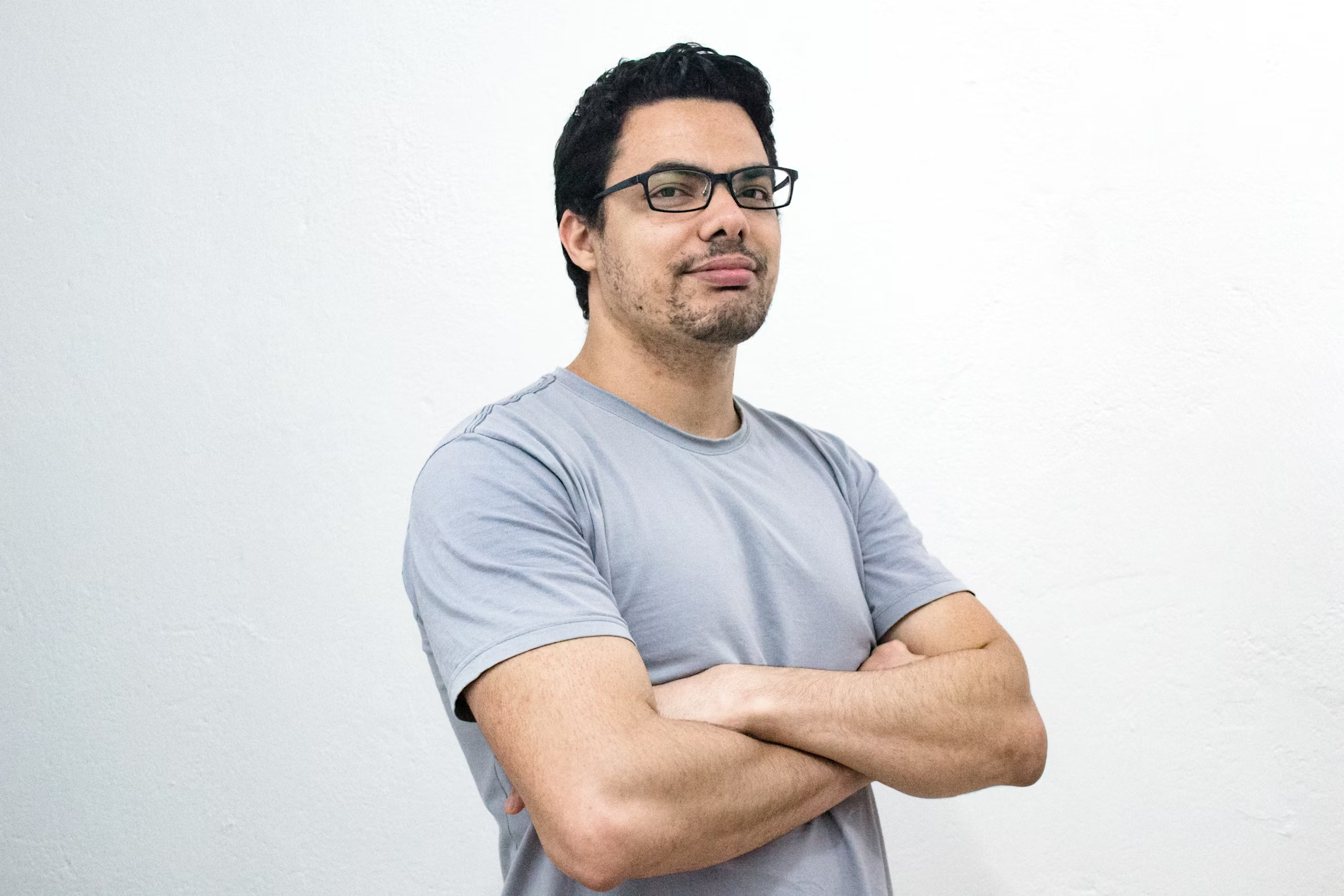
Hi, I’m Jo
I run Lemon Counselling, a small practice based in Christchurch. I hold a Bachelor’s degree in Psychology and Counselling and a Certificate in Online Counselling. I’m also a trauma-informed practitioner, which means your experiences are met with care, safety and respect, and we go at your pace.
I was born and raised in South Africa and have lived in New Zealand for nine years, so I know a fair bit about starting again somewhere new. I have a slight obsession with houseplants, and I’ll probably greet your dog before I greet you. No offence.
Through my own therapy journey I have been lost in the woods, and I’m intimately familiar with the shame, sadness, anxiety and confusion that jump out from behind the trees. Together, we can navigate your unique forest and find our way through it.
The practical bits
- $135 per 60-minute session.
- Online / In person (Christchurch)
- No referral needed. You don’t need a diagnosis or a doctor’s note. Just get in touch.
- English or Afrikaans: ons kan gerus die berading in Afrikaans doen.
- Take your time deciding. Try a few sessions and see whether we click. If I’m not the right fit, no offence taken at all.
- 24 hours’ notice is needed to cancel, as your session is reserved just for you.
The Counselling Online page covers everything you need for a session, and the FAQ answers the questions most people are too polite to ask.
Other things I work with
If things feel unsafe right now, if you’re thinking about ending your life or you’re not sure you can keep yourself safe, please don’t wait for an appointment. You can call or text 1737 free, any time, to talk with a trained counsellor. In an emergency, call 111. There’s a fuller list on the Numbers and support page.
CONTACT
If you’ve read this far, something here probably landed. You’re welcome to email me at [email protected], call or text me on 021 0253 3659, or use the form below. You don’t need to explain everything. A sentence is plenty.