
Immigration
When you got everything you moved for, but discover extra baggage you didn’t expect.
Get in touchMoving countries can open doors to extraordinary opportunity. But opportunity rarely travels alone.
Alongside it, free of charge, come loneliness, identity shifts, culture shock, and the quiet pressure to prove you made the right choice. There is grief for what you left behind. And instead of leaning on your community while you grieve, you find yourself grieving the loss of that community too.
None of that means you made a mistake. It means you did one of the hardest things a person can do, and you are still in the middle of it.
The parts nobody warns you about
The visa, the shipping, the job, the school enrolments: all of that gets planned to the last detail. What follows the move tends to arrive unannounced. See whether any of these sound like your year.
The loneliness
Not the dramatic kind. The Tuesday kind, where there is nobody to ring about something small. Making friends as an adult is genuinely hard, and it is harder again when everyone around you already has their people from school, from uni, from the street they grew up on.
Homesick for a place, not just people
The light at a particular time of year. A smell. The specific sound of your first language in a shop. It can arrive out of nowhere over something absurd, like the wrong brand of biscuits, and it does not mean you want to go back. It means part of you is still there.
Being far away when something happens
A parent gets ill. A friend dies. A wedding, a funeral, a birth you watch on a phone screen at an unreasonable hour. New Zealand is a long way from most places, and the distance stops being an abstraction the moment the call comes.
The pressure to prove it was worth it
You cannot tell the people back home that you are struggling, because they will worry, or because someone warned you. And you cannot say it here either. So you say “yeah, loving it, the scenery is amazing” and change the subject, over and over.
Suddenly being bad at things
You were competent. You knew how the banks worked, which doctor to see, what the joke meant. Now ordinary errands take twice as long and you are asking basic questions at forty. That is not stupidity. It is having to relearn a whole operating system.
A career that did not come with you
Registration that does not transfer. A degree nobody here recognises. “We were looking for someone with New Zealand experience.” Starting several rungs below where you left off is a real loss of status, and it is allowed to sting.
Life on a visa
Waiting on a decision that governs where you live, whether you can work, whether your family can join you. You cannot plan past the expiry date, so you stop planning at all. Being dependent on an employer or a partner for your right to stay changes things you would rather it did not.
“Where are you from? No, originally?”
Usually friendly, occasionally not, and either way a small reminder several times a week that you are read as from somewhere else. Add the accent on the phone, the name people decide is too hard, and the jokes you are expected to take well.
Children who belong here more than you do
Their accent is local, and you are glad. They are also losing your language, correcting your pronunciation, and slightly embarrassed by you at the school gate. You wanted them to fit in. You just did not expect it to feel like this.
When one of you settled and the other didn’t
One of you has a job, colleagues and a routine. The other has the admin, the isolation and the whole day to feel it. Whoever pushed for the move carries guilt; whoever followed carries resentment. Neither of you wants to say any of it out loud.
Going back and finding it moved on
The trip you saved for. Everyone has carried on without you, the in-jokes are new, and you are a visitor in your own city. You return to New Zealand unsettled, because now you are slightly foreign in both places.
Being treated as other
Sometimes it is blunt. More often it is a landlord who goes quiet, a shortlist you never make, a comment at work that everyone laughs off. You are left wondering whether you imagined it, which is its own particular kind of tiring.
And there are the routes that rarely make the list. Coming here as a refugee or because staying was not safe. Following a relationship that has since ended, leaving you in a country you chose for someone else. Arriving as a student and quietly deciding to stay. Being a New Zealander who went away for fifteen years and came back to find that reverse culture shock is entirely real.
If yours isn’t on this page, it still counts. Bring it anyway.
The thing you can’t say out loud
There is a particular loneliness in not being able to admit that it is hard.
Say it to the people back home and you frighten them, or you hand it to the one relative who told you it was a mistake. Say it here and you can watch the other person work out how to respond, because “I’m homesick” sounds a lot like “I don’t want to be here”, which sounds a lot like an insult to the country they love and a prelude to “well, you can always go back”.
So the answer stays “loving it, thanks”. And the gap between what you say and what is actually going on gets wider, month by month, until you are lonely in a way that has very little to do with how many people you know.
Here is the part worth saying plainly: homesickness is not regret. You can be genuinely glad you came, certain it was right for your family, proud of what you have built, and still grieve. Both things fit in the same chest at the same time. You are not being ungrateful, and you are not failing at this.
This is a room where you can stop performing being fine, use the words you actually think in, and say the disloyal thing without anybody’s feelings being at stake.
Why moving countries hits harder than people expect
Because it is not one change. It is every change at once, all in the same fortnight: your home, your work, your friends, your status, your climate, your food, your accent, your competence, and the entire set of unwritten rules you had spent your whole life learning. Any one of those would be a big year. Together they take a while.
There is also a fairly reliable shape to it. The first stretch is often genuinely exciting, everything is new and the photos are good. Then somewhere around months three to nine the novelty wears off, the admin piles up, and it can drop out from under you rather suddenly. That dip is not a sign the move failed. It is the most normal part of the whole process, and it is usually where people first think about counselling.
Underneath it sits a loss that never gets a funeral. Nobody sends a card because you cannot pop round to your sister’s any more. Your old life is still going on, just without you in it, which is a strange thing to grieve while you are also unpacking boxes and being cheerful about your new kitchen.
And then there is the daily cost of translating yourself. Not just language, though that is exhausting enough. Adjusting your humour, your volume, your directness, the amount of eye contact, how much you say about yourself. Doing that all day, every day, in a place where nobody knows the version of you that does not have to.
It might be time to talk to someone if
- You feel isolated or misunderstood, even when you are surrounded by people.
- You are struggling to belong, and starting to wonder whether you ever will.
- You feel torn between cultures, and not fully at home in either.
- You are carrying pressure from family or community, here or back home.
- You have stopped telling anyone how it is actually going.
You don’t have to tick any of those, either. “I moved here and I am not okay” is a perfectly good reason to book.
What it’s like to work with me
I emigrated too. South Africa to Dubai to New Zealand. That does not mean your move was like mine, and I will not assume it was. What it does mean is that you will not have to explain the basics: what it is to be far from people when something happens, to rebuild a life from nothing but paperwork, or to love a place and miss another one at the same time.
We can work in English or in Afrikaans, whichever lets you say the true thing rather than the nearest available one. If your first language is neither, you are still very welcome, and you are allowed to pause, switch, or tell me the word does not exist in English.
Some of what we do is grief work: naming what you actually lost, which is often much more than a house and a job. Some of it is practical: how to build a life here without waiting to feel like you belong first, and how to talk to the family back home without either lying or frightening them. Some of it is untangling the guilt, because there is almost always guilt, pointed in at least two directions.
I work in a non-judgemental, kind, curious way that honours your own wisdom about your situation, and we go at your pace.
When it starts to shift, it usually looks like this: you feel more grounded in who you are, a support network starts to exist here rather than only back home, and you find you can honour where you came from and where you are now without one of them having to lose.
Feeling nervous about a first session is completely normal, and the occasional awkward moment is too. Most people haven’t done this before. After that first hour you should leave feeling heard, understood and seen. That’s the part I care about most.
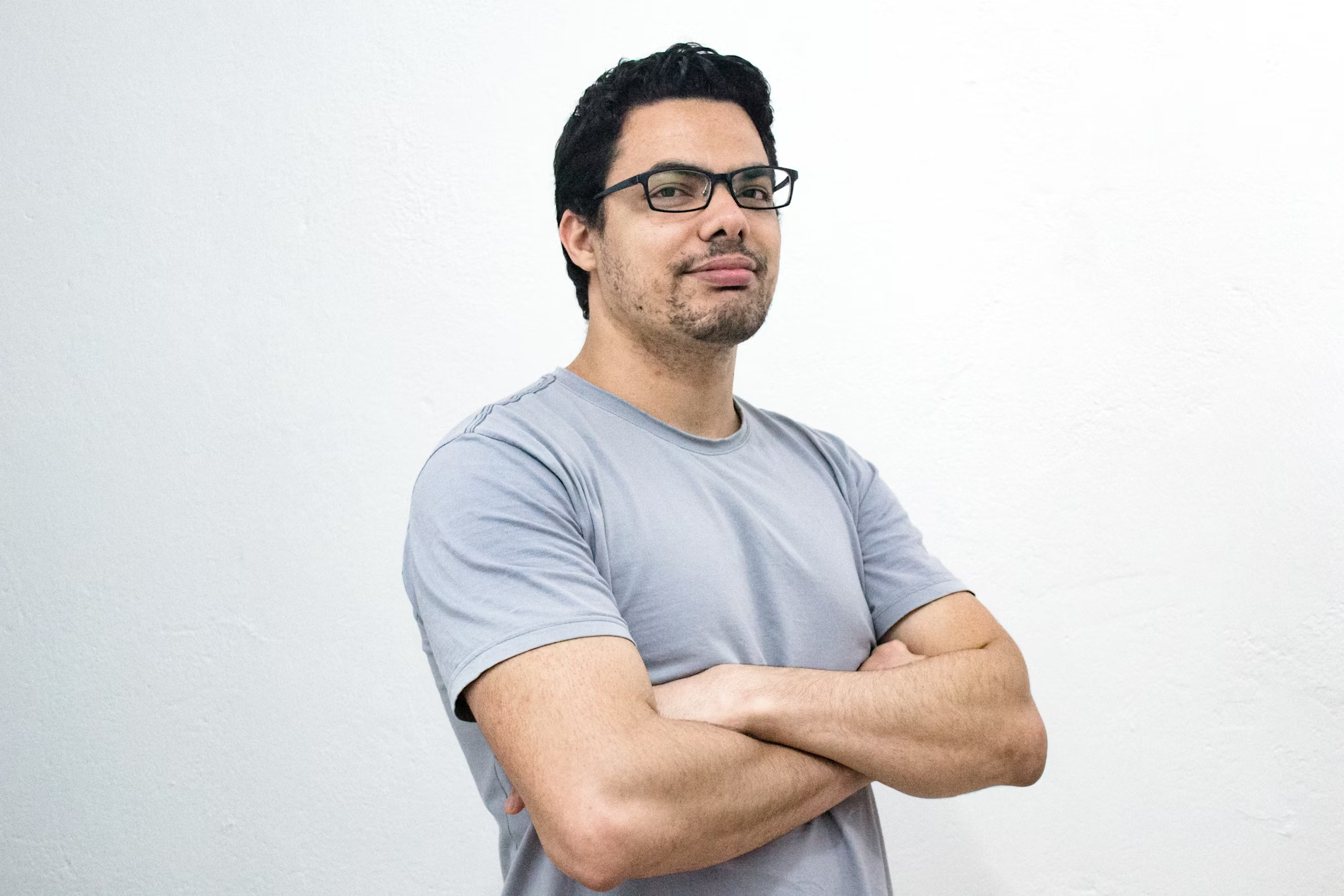
Hi, I’m Jo
I run Lemon Counselling, a small practice based in Christchurch. I hold a Bachelor’s degree in Psychology and Counselling and a Certificate in Online Counselling. I’m also a trauma-informed practitioner, which means your experiences are met with care, safety and respect, and we go at your pace.
I was born and raised in South Africa and have lived in New Zealand for nine years, so I know a fair bit about starting again somewhere new. I have a slight obsession with houseplants, and I’ll probably greet your dog before I greet you. No offence.
Through my own therapy journey I have been lost in the woods, and I’m intimately familiar with the shame, sadness, anxiety and confusion that jump out from behind the trees. Together, we can navigate your unique forest and find our way through it.
The practical bits
- $135 per 60-minute session.
- Online / In person (Christchurch)
- No referral needed. You don’t need a diagnosis or a doctor’s note. Just get in touch.
- English or Afrikaans: ons kan gerus die berading in Afrikaans doen.
- Anywhere in New Zealand. Online sessions work just as well from Invercargill, Kaitaia or a farm with patchy wifi.
- Take your time deciding. Try a few sessions and see whether we click. If I’m not the right fit, no offence taken at all.
- 24 hours’ notice is needed to cancel, as your session is reserved just for you.
The Counselling Online page covers everything you need for a session, and the FAQ answers the questions most people are too polite to ask.
Other things I work with
If things feel unsafe right now, if you’re thinking about ending your life or you’re not sure you can keep yourself safe, please don’t wait for an appointment. You can call or text 1737 free, any time, to talk with a trained counsellor. In an emergency, call 111. There’s a fuller list on the Numbers and support page.
CONTACT
If you’ve read this far, something here probably landed. You’re welcome to email me at [email protected], call or text me on 021 0253 3659, or use the form below. You don’t need to explain everything. A sentence is plenty.