Highly Sensitive People
For when the world is turned up louder for you than for everyone else.
Get in touchSome people bite into a lemon and taste sour. Others taste the zest, the pith, the oil in the skin and the seed they didn’t mean to bite. If you are the second kind of person, about most things, you may be highly sensitive.
A highly sensitive person, or HSP, takes in more of the world and thinks about it more deeply. You notice the small things, feel things strongly, and get overwhelmed sooner than the people around you seem to. It is a normal, inborn trait shared by somewhere between one in five and one in three people. It is not a disorder, and it is not something to fix.
It can still be hard to live with, especially in a loud, busy world that keeps telling you to toughen up. Counselling can help you understand how you’re wired, look after it, and start to value it.
What it can look like
Sensitivity rarely announces itself by name. More often it gets called something else: shyness, anxiety, being dramatic, or just “too much”. See whether any of these sound familiar.
Too much, all at once
The supermarket on a Saturday. An open-plan office. The TV on while two people talk to you. Everyone else seems fine, and you need to get out before you snap or shut down.
Feeling other people’s feelings
You walk into a room and know who has been arguing. A friend’s bad mood follows you home. Sometimes it is hard to tell which feelings are actually yours.
The crash after a good day
The wedding was lovely and you enjoyed every minute. Now you need two quiet days and a dark room to recover, and you are not sure how to explain that to anyone.
Taking a long time to decide
You see every angle and every way it could go. Other people call it overthinking. Really it is a brain that processes deeply, and it gets tired doing it.
Labels, lights and smells
The scratchy tag in your shirt. Fluorescent lights. Someone’s perfume three seats away. Small things that others don’t register can wear you down by lunchtime.
Deeply moved
Music, art, a sunset, a dog food ad. You feel beauty and sadness strongly, and the news can stay with you for days.
Falling apart when someone is watching
You know how to do it. You do it well on your own. Then someone stands over your shoulder, or the timer starts, and suddenly you can’t.
“You’re too sensitive”
You heard it growing up, from family, teachers or partners. So you learned to hide it, push through and smile, and that has been tiring for a very long time.
Conflict that lingers
A tense conversation at work, a sharp text. You replay it for days, rewriting what you said. Criticism lands deep, even when it was meant kindly.
Looking after everyone
You notice what people need before they ask, so you are often the one who provides it. Saying no feels impossible, and your own needs keep moving to the bottom of the list.
Hungry, tired, done
Skip a meal or a night’s sleep and your whole system protests. Your body keeps a closer tally than most, and it doesn’t let you off.
Noticing what others miss
The change in someone’s tone, the error on page 14, the thing nobody is saying in the meeting. It makes you good at a lot of things, and it makes ordinary days more tiring.
If yours isn’t on this page, it still counts. Bring it anyway.
Why some people feel more
Psychologist Dr Elaine Aron began researching sensitivity in the early 1990s, and the scientific name for the trait is sensory processing sensitivity. It is a temperament you are born with and is partly inherited. It shows up in men and women equally, in introverts and extroverts, and in well over a hundred other animal species. In any group, a minority hang back, take in everything, and check carefully before they act. That has always been a useful strategy for a group to have.
Aron describes four things that tend to go together in highly sensitive people:
- Depth of processing. You think things through thoroughly and link what is happening now to everything that came before.
- Overstimulation. Because you take in so much, you reach your limit sooner and need more time to recover.
- Emotional responsiveness and empathy. You react strongly to good and bad things, and you pick up on how others feel.
- Sensing the subtle. You notice small details, changes and undercurrents that others don’t.
The research also shows something hopeful. Sensitive people are affected more by hard environments, such as a harsh childhood, a toxic workplace, or a stressful relationship, but they also benefit more from good ones. Researchers sometimes call this the orchid and dandelion effect. A dandelion grows almost anywhere. An orchid wilts in poor conditions, but with the right care it does better than almost anything. Support, including counselling, tends to have a bigger effect on sensitive people, not a smaller one.
What it isn’t
Being highly sensitive is not a diagnosis, and there is no official test. Aron’s self-test at hsperson.com is a good place to start if you are curious. It isn’t the same as being shy, introverted or anxious, although years of overwhelm and being told you’re “too much” can lead to anxiety, low self-esteem and burnout.
Sensitivity can look a lot like other things, too, and it can overlap with them. Sensory overload is also common in autism and ADHD, and a nervous system that has lived through trauma can be on high alert in a similar way. Sorting out what is what is often part of the work, and if neurodivergence sounds relevant, the Adult Neurodiversity page is worth a read. You don’t need a label of any kind to come and talk.
It might be time to talk to someone if
- You feel overwhelmed or drained more days than not.
- You spend so much energy managing everyone else’s feelings that there is nothing left for your own.
- You’ve started avoiding people, places or opportunities you actually care about because they cost too much.
- You are harsh on yourself for being “too sensitive”, and wish you could switch it off.
- You are heading towards burnout, or you are already there.
What it’s like to work with me
We start with what your days are actually like: where the overload comes from, how it shows up in your body, and what it costs you. Most sensitive people have spent years trying to be less sensitive. We are not going to do that. The aim is to understand how you are wired and build a life that fits it.
Some of the work is practical. Recognising the early signs of overload before you hit the wall. Building real recovery time into your week without feeling guilty about it. Learning ways to calm your nervous system that work on a bad day, not just a good one.
Some of it is about other people. Telling your feelings apart from everyone else’s. Saying no, and coping with the discomfort when you do. Explaining what you need to a partner, family or a manager without apologising for it.
And some of it is quieter work on the story you have been told about yourself. Softening the inner critic. Grieving the years of pushing through. Starting to notice that the depth, empathy and attention to detail that make the world so loud are also some of your best qualities.
Sessions are calm and unhurried, and they can be shaped around you. If online from your own couch is easier, that is completely fine. So is a slower pace, a pause halfway through, or a session where we mostly sit with something.
I work in a non-judgemental, kind, curious way that honours your own wisdom about your situation, and we go at your pace.
Feeling nervous about a first session is completely normal, and the occasional awkward moment is too. Most people haven’t done this before. After that first hour you should leave feeling heard, understood and seen. That’s the part I care about most.
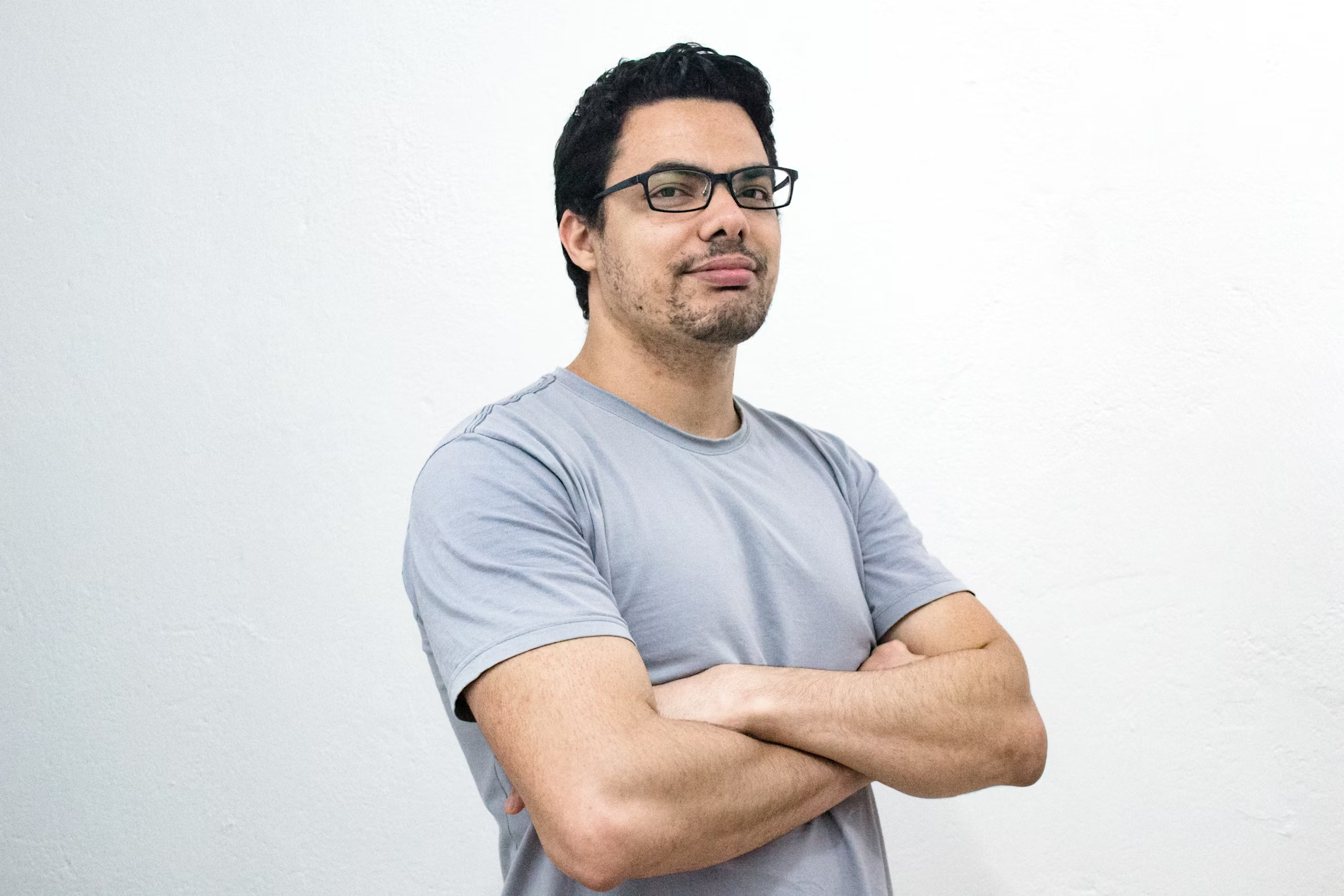
Hi, I’m Jo
I run Lemon Counselling, a small practice based in Christchurch. I hold a Bachelor’s degree in Psychology and Counselling and a Certificate in Online Counselling. I’m also a trauma-informed practitioner, which means your experiences are met with care, safety and respect, and we go at your pace.
I was born and raised in South Africa and have lived in New Zealand for nine years, so I know a fair bit about starting again somewhere new. I have a slight obsession with houseplants, and I’ll probably greet your dog before I greet you. No offence.
Through my own therapy journey I have been lost in the woods, and I’m intimately familiar with the shame, sadness, anxiety and confusion that jump out from behind the trees. Together, we can navigate your unique forest and find our way through it.
The practical bits
- $135 per 60-minute session.
- Online / In person (Christchurch)
- No referral needed. You don’t need a diagnosis, a test result or a doctor’s note. Just get in touch.
- Sessions adapt to you. A slower pace, a break halfway, or camera off online. Just say what helps.
- English or Afrikaans: ons kan gerus die berading in Afrikaans doen.
- Take your time deciding. Try a few sessions and see whether we click. If I’m not the right fit, no offence taken at all.
- 24 hours’ notice is needed to cancel, as your session is reserved just for you.
The Counselling Online page covers everything you need for a session, and the FAQ answers the questions most people are too polite to ask.
Other things I work with
If things feel unsafe right now, if you’re thinking about ending your life or you’re not sure you can keep yourself safe, please don’t wait for an appointment. You can call or text 1737 free, any time, to talk with a trained counsellor. In an emergency, call 111. There’s a fuller list on the Numbers and support page.
CONTACT
If you’ve read this far, something here probably landed. You’re welcome to email me at [email protected], call or text me on 021 0253 3659, or use the form below. You don’t need to explain everything. A sentence is plenty.