
Adult Neurodiversity Counselling
When you feel like a zebra surrounded by horses.
Get in touch$135 per 60 minute session. No diagnosis needed: self-identified is welcome.
As someone who is neurodivergent myself, I understand that life can often feel like you’re trying to fit into a world that wasn’t designed with your brain in mind.
Many neurodivergent adults have spent years feeling misunderstood, masking who they are, or believing there is something “wrong” with them. Therapy shouldn’t be another place where you feel you have to explain yourself or pretend to be someone you’re not.
So this is meant to be a calm, accepting space where you can simply be yourself, and where the work is adapting to your brain rather than the other way round.
What brings people here
Almost nobody books a first session saying “I would like some neurodiversity-affirming counselling, please”. They book because they are worn out by something, and the something often turns out to have the same root. See whether any of these sound like your week.
Worn out from masking
Running the software all day: the eye contact, the right face, the volume dial, the scripts. It works, which is exactly the problem, because nobody can see what it costs. Then you get home with nothing left for the people you actually like.
Burnout, and “I used to be able to do this”
Not ordinary tiredness. The kind where showering is a project, speech gets harder, and things you managed easily last year are suddenly out of reach. It is frightening, and the usual advice about resilience makes it worse rather than better.
The wall in front of an easy task
You know exactly what to do. It would take nine minutes. You want it done. You cannot start, and you have been calling that laziness for about twenty years because everyone else did first.
When a small knock floors you
A flat reply, a bit of feedback, someone going quiet on a message. It lands like being dropped, your whole day goes, and the part that stings most is knowing the reaction is out of proportion while being completely unable to talk yourself out of it.
Too much, all at once
Strip lighting, the supermarket, an open-plan office, a scratchy label, three conversations at once. Your nervous system is taking in everything at full volume with no way to turn any of it down, and by four o’clock there is nothing left to think with.
A late diagnosis you’re still absorbing
Relief, because it finally makes sense. And underneath it anger, and real grief, for the help you never got, the things you decided about yourself at nine, and the version of your life that might have happened if somebody had noticed.
Fairly sure without a diagnosis
Months of reading, a stack of tabs open, a private assessment you cannot justify the cost of. You do not need a diagnosis to be struggling, and you do not need one to come here.
Work
You are good at the job and it is slowly grinding you down: the meetings, the noise, the unwritten rules, the reviews about communication rather than the actual work. And the disclosure question, which nobody can answer for you.
Being told you’re too much, or not enough
Too intense, too blunt, too quiet, too sensitive. In a relationship where one of you is neurodivergent and one is not, the same evening genuinely happened two different ways, and neither of you is lying about it.
Recognising yourself in your child
You sat through their assessment and something started ringing rather loudly. Now you are advocating for them with the school while quietly working out what it means that all of it sounds like you at that age.
Years of treatment for the wrong thing
Anxiety, depression, an eating disorder, addiction. Treated one at a time, sometimes for a decade, and not once did anyone stop to ask why this was all so much harder for you than it seemed to be for everybody else.
The social hangover
Two hours with people, two days to recover. The replay at midnight of one sentence that came out wrong. Friendships that quietly lapse because the maintenance admin is beyond you, even though you miss the person badly.
ADHD, autism, both at once, dyslexia, dyspraxia, dyscalculia, tics, and plenty of people who fit no tidy category at all. The label matters far less here than what your days are actually like.
If yours isn’t on this page, it still counts. Bring it anyway.
Diagnosed, self-identified, or still working it out
All three are welcome, and they get the same session.
Adult assessment in New Zealand is genuinely hard to get. Public pathways for adults are thin on the ground, private assessment runs into the thousands, and waiting lists can stretch past a year. Plenty of people spend that time fairly certain about themselves and slightly apologetic about saying so out loud.
You do not have to apologise here. Self-identification, after months of reading and a lifetime of evidence, is a reasonable thing for an adult to do. Nobody is going to ask you to prove it before we can talk about your week.
One thing to be straight about: I am a counsellor, not an assessor. I cannot diagnose you, and I will not pretend otherwise or imply a letter is coming. If a formal assessment is what you want, your GP is the usual starting point for a referral, and the Numbers and support page has more. What I can do is help with the living part, which is the part that does not wait for a waiting list.
Why it tends to catch up with you in adulthood
A lot of people ask some version of “if this is real, how did I get to forty without anyone noticing?”
Usually because you were managing. Bright children who are struggling get read as fine, and quiet ones get read as good. If you were clever, or well behaved, or a girl, the odds of anyone looking further were slim. So you built workarounds, mostly without knowing you were doing it, and the workarounds held.
They hold right up until the load changes. A promotion into a job that is mostly meetings. A baby. A bereavement. Perimenopause, which shifts ADHD traits in a way almost nobody warns women about. A restructure, a move, an illness. The strategies were running at capacity already, and now there is no spare.
What arrives next tends to get named as anxiety or depression, because that is what it looks like from outside, and because it is usually true as far as it goes. It is just not the whole account. Treating the exhaustion without ever mentioning the thing causing it can go on for years.
None of this means you are broken, and the aim is not to sand you down until you pass. Some of what we do is practical, building a life with fewer things in it that grind against how you actually work. Some of it is undoing thirty years of conclusions you drew about your own character when the real explanation was never offered to you.
It might be time to talk to someone if
- You are exhausted in a way that sleep does not touch.
- You are only recognisable as yourself when nobody else is in the room.
- Things you used to manage have quietly become impossible.
- You have been treated for anxiety or depression for years and something still does not add up.
- A recent diagnosis has stirred up more than you expected.
You don’t have to tick any of those, either. “I am tired of pretending” is a perfectly good reason to book.
What it’s like to work with me
You don’t need to worry about maintaining eye contact, sitting perfectly still, or expressing yourself in a particular way. If you think best while walking, fidgeting, drawing, or taking a little extra time to process your thoughts, that’s okay here. Long pauses are fine. So is saying that a question did not make sense, or that you need it asked a different way.
Practical things people find help, all of which you can just ask for: online sessions with the camera off, or in person if a screen is the harder option. Knowing in advance roughly what we will cover. Getting the next question in writing. Sitting side by side rather than face to face. A session that runs quiet because it has been a week of too much noise.
The work itself is usually a mix. Untangling what is you from what is a strategy you built at seven. Working out which parts of your life are costing more than they return, and what can actually change. Building around how your attention and energy genuinely behave, rather than around how a productivity book says they should. Sometimes it is grief work, because a late diagnosis often comes with a good deal of it.
While I won’t assume that my experiences are the same as yours, I understand what it can be like to feel different. To feel like you are a zebra living among horses. I strive to create a therapeutic relationship built on curiosity, respect, and genuine acceptance.
Feeling nervous about a first session is completely normal, and the occasional awkward moment is too. Most people haven’t done this before. After that first hour you should leave feeling heard, understood and seen. That’s the part I care about most.
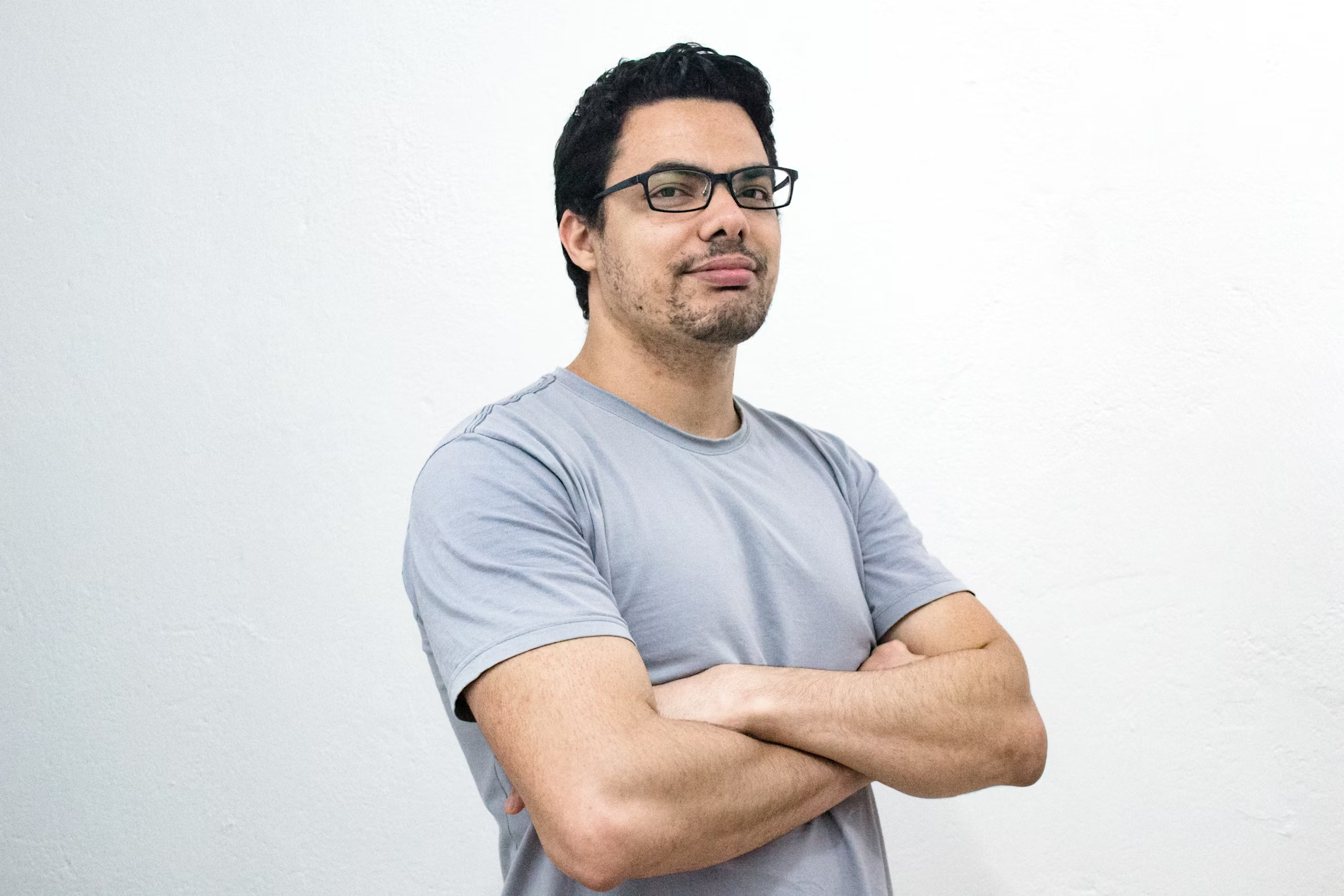
Hi, I’m Jo
I run Lemon Counselling, a small practice based in Christchurch. I hold a Bachelor’s degree in Psychology and Counselling and a Certificate in Online Counselling. I’m also a trauma-informed practitioner, which means your experiences are met with care, safety and respect, and we go at your pace.
I was born and raised in South Africa and have lived in New Zealand for nine years, so I know a fair bit about starting again somewhere new. I have a slight obsession with houseplants, and I’ll probably greet your dog before I greet you. No offence.
Through my own therapy journey I have been lost in the woods, and I’m intimately familiar with the shame, sadness, anxiety and confusion that jump out from behind the trees. Together, we can navigate your unique forest and find our way through it.
The practical bits
- $135 per 60-minute session.
- Online / In person (Christchurch)
- Call or text 021 0253 3659, or email [email protected]. A text is perfectly fine if phone calls are the harder option.
- No referral or diagnosis needed. Self-identified is welcome. Just get in touch.
- Sessions adapt to you. Camera off, no eye contact, fidgeting, pacing, long pauses, questions in writing. Ask for what helps.
- English or Afrikaans: ons kan gerus die berading in Afrikaans doen.
- Take your time deciding. Try a few sessions and see whether we click. If I’m not the right fit, no offence taken at all.
- 24 hours’ notice is needed to cancel, as your session is reserved just for you.
The Counselling Online page covers everything you need for a session, and the FAQ answers the questions most people are too polite to ask.
Other things I work with
If things feel unsafe right now, if you’re thinking about ending your life or you’re not sure you can keep yourself safe, please don’t wait for an appointment. You can call or text 1737 free, any time, to talk with a trained counsellor. In an emergency, call 111. There’s a fuller list on the Numbers and support page.
CONTACT
If you’ve read this far, something here probably landed. You’re welcome to email me at [email protected], call or text me on 021 0253 3659, or use the form below. You don’t need to explain everything. A sentence is plenty.